
When Fast Heat Changes Pool Use
Gas pool heater installation in St. Augustine for pools and spas with on-demand heating requirements
Village Pool & Patio installs and replaces gas pool heaters for homeowners in St. Augustine whose pool or spa use depends on reaching set temperature quickly. Gas heating suits irregular schedules — when a spa needs to be ready within a short window, or a pool sits idle between planned events. The Jandy JXiQ, a condensing model Village Pool & Patio installs, recovers heat from combustion exhaust before it exits the unit, which affects venting requirements and fuel use per heating cycle.
Sizing precedes equipment selection. Pool surface area, required temperature rise, and spa inclusion all determine the BTU input before a model is confirmed. The JXiQ uses a cupro-nickel heat exchanger — standard on that model — which resists water chemistry variation better than copper components, relevant when pool chemistry drifts during high-use periods. Installation includes verifying gas supply capacity at the meter, confirming site clearances, and connecting to pad plumbing and the existing control system.
Arrange a site evaluation with Village Pool & Patio to review gas service, pad layout, and pool use before specifying equipment.
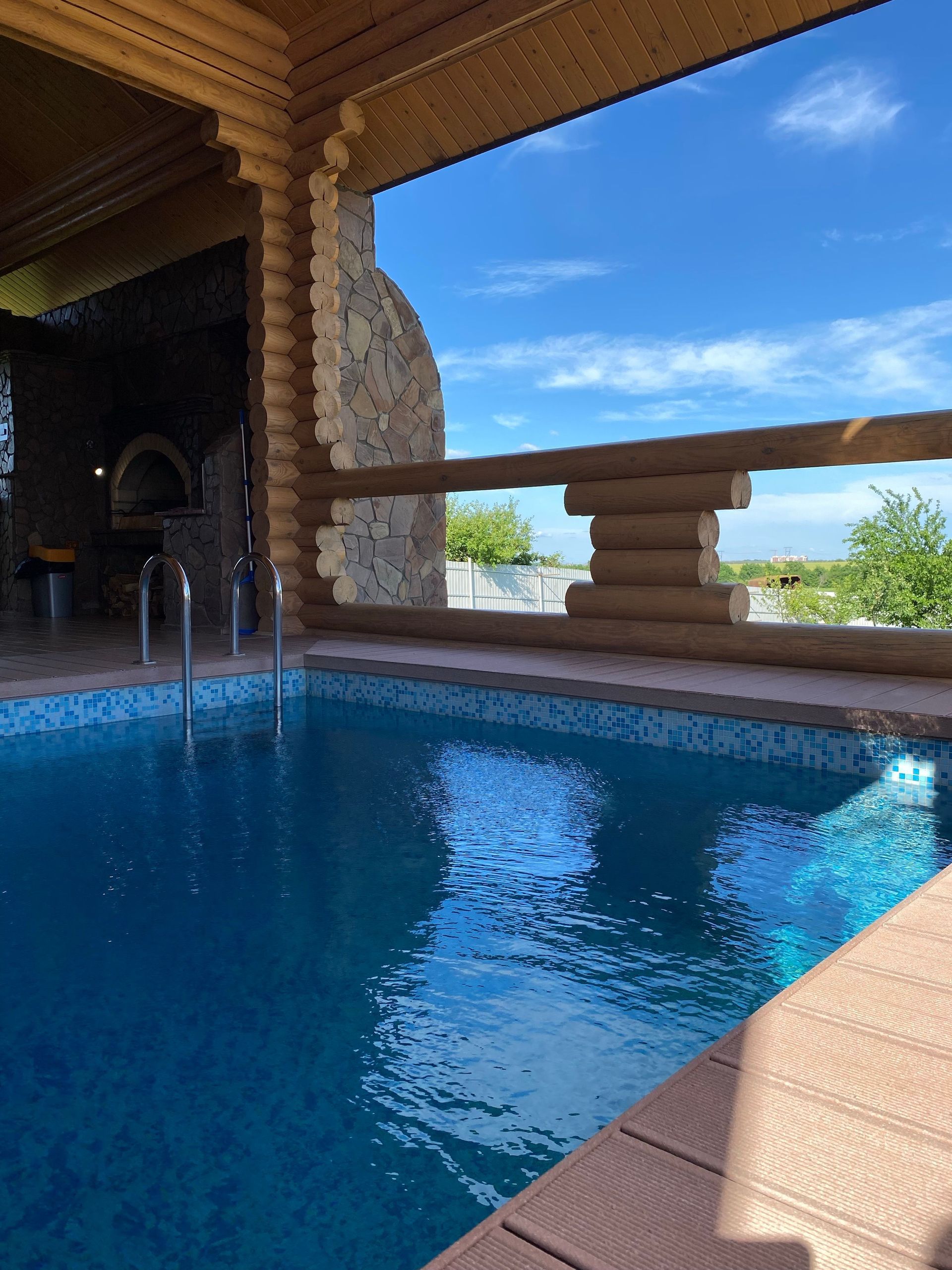
How Gas Heating Compares to Heat Pump Operation
Gas heaters fire on immediate demand — a spa can reach usable temperature in a fraction of the time a heat pump requires for the same task. Heat pumps extract ambient air heat and operate at lower cost per BTU under most rate structures, making them better suited for pools maintained at a continuous set point. Neither technology is universally better; the choice follows how the pool is actually used, and some installations run both.
After installation, the response time difference is what homeowners notice first. When Village Pool & Patio integrates the heater with Jandy iAquaLink smart pool automation, remote activation before arrival becomes available through the app — a feature that gets regular use on the second-home and vacation rental properties common in St. Augustine. Control compatibility should be confirmed before the heater is ordered, since not all platforms communicate natively with all models.
Condensing gas heaters like the JXiQ require sealed combustion venting rather than the atmospheric design found on older units, which changes flue material selection and routing options. Pad footprint and gas line access are confirmed during the site review before work begins.
Questions About Gas Heater Installation
Sizing, fuel supply, and automation compatibility are the most common decision points before installation.
- How is heater sizing determined?
- BTU input is calculated from pool surface area and required temperature rise; for spas, volume and target heat-up time factor into the calculation as well.
- What does the gas supply evaluation include?
- The installation team checks line diameter, BTU delivery at the meter, and run distance to the heater location. If the supply cannot meet the heater’s rated input, resizing the line becomes part of the project scope.
- How does the new heater connect to an existing automation system?
- Jandy heaters communicate natively with Jandy iAquaLink; connection to Pentair IntelliCenter or other platforms may require an interface module. For the many second-home and rental properties in St. Augustine, confirming automation compatibility before ordering matters because remote activation is often a primary reason gas was chosen over a heat pump in the first place.
Village Pool & Patio can review your pad, gas service, and usage pattern to determine whether gas heating suits your setup. Heat pump installation, pool equipment repair, and smart pool automation can all be discussed during the same visit.